Can You File A Claim Against A Trucking Business Straight After An Accident? Frequently Asked Questions
Sufferers of truck mishaps might be entitled to recover numerous kinds of compensation from the trucking company, depending upon the specifics of the instance. Payment in these cases normally covers clinical expenses, shed wages, pain and suffering, and home damage. In serious instances where the mishap causes long-term or long-term injuries, sufferers might additionally be entitled to payment for continuous medical care, recovery prices, and loss of making capacity.
What Should You Do After A Vehicle Accident?
For example, trucking business are called for by law to frequently inspect and maintain their automobiles to ensure they are risk-free for operation. Similarly, if a firm hires a driver without appropriately checking their background or credentials and that motorist triggers a crash, the firm might be held liable for irresponsible hiring techniques. In addition to vicarious liability, a trucking firm can be sued straight for its very own neglect. Direct negligence occurs when the firm fails to meet its commitments under federal and state regulations to run its organization securely. Yes, it is possible to sue a trucking business directly after a mishap, but there specify legal grounds required to do Learn more here so. In a lot of cases, the truck motorist might be the prompt reason for the crash, but the trucking firm might share responsibility.
We will relentlessly represent our clients to make certain that their voice is heard which they are totally and entirely compensated for their harms and losses. What makes us different is that you, as a customer, will certainly have your lawyer's individual cell phone number to make sure that you can constantly interact with your attorney about your situation.
What Compensation Can Be Recouped From A Trucking Business?
- If the vehicle driver was acting outside the extent of their task duties-- such as running an individual errand when the mishap happened-- vicarious obligation may not use.Straight negligence happens when the business stops working to fulfill its commitments under government and state laws to operate its organization securely.This includes taking pictures of the damage, obtaining get in touch with details from witnesses, and keeping in mind the name and employer of the truck driver.These guidelines are made to ensure the security of both truck motorists and other vehicle drivers on the road.For instance, if a truck chauffeur triggers a crash while supplying cargo for their company, the trucking firm can be held liable because the driver was doing their work duties.

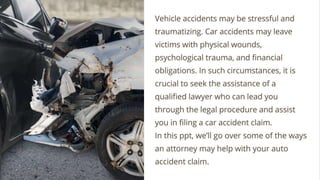
If you have actually been involved in a vehicle crash, it is important to recognize your rights, exactly how trucking companies may be responsible, and how to pursue a claim effectively. Filing a claim against a trucking business is often an intricate procedure that calls for a detailed understanding of both state and government laws controling the trucking industry. These guidelines are developed to make sure the safety of both truck chauffeurs and various other motorists when traveling. An attorney with experience in taking care of vehicle accident instances can aid by checking out the mishap, gathering evidence, and determining all prospective resources of responsibility. Along with countervailing problems, targets might have the ability to recover compensatory damages if the trucking business's actions were specifically reckless. Punitive damages are planned to penalize the offender for outright conduct and deter comparable habits in the future.
Trucking business are expected to give recurring training to guarantee their motorists adhere to security procedures and understand the rules of the road. When a firm disregards this obligation, and an untrained or inadequately overseen chauffeur causes an accident, the firm might be located accountable for irresponsible guidance. Nonetheless, it is important to keep in mind that vicarious obligation just applies when the vehicle driver is doing jobs that are directly related to their work. If the chauffeur was acting outside the extent of their task obligations-- such as running a personal duty when the crash occurred-- vicarious obligation might not apply.